


Astronomer Bob Berman tells us the top things to see this month from visible planets to bright stars.
• On the 1st of April at nightfall, the crescent Moon hovers just above the famous Pleiades star cluster, a major treat through binoculars.
• On the 2nd, the waxing crescent Moon meets Jupiter. Spot their approach as dusk fades to darkness. Jupiter will shine at a very bright magnitude -2.1 in the night sky.
• On the 5th, the Moon has moved on to meet Mars, passing within 2°06’ of each other. The Red Planet, still bright at magnitude 0.5, resumes its direct eastward (leftward) motion. This leaves the area occupied by the stars Castor and Pollux, the names of the twin half-brothers in Greek mythology who represent Gemini.
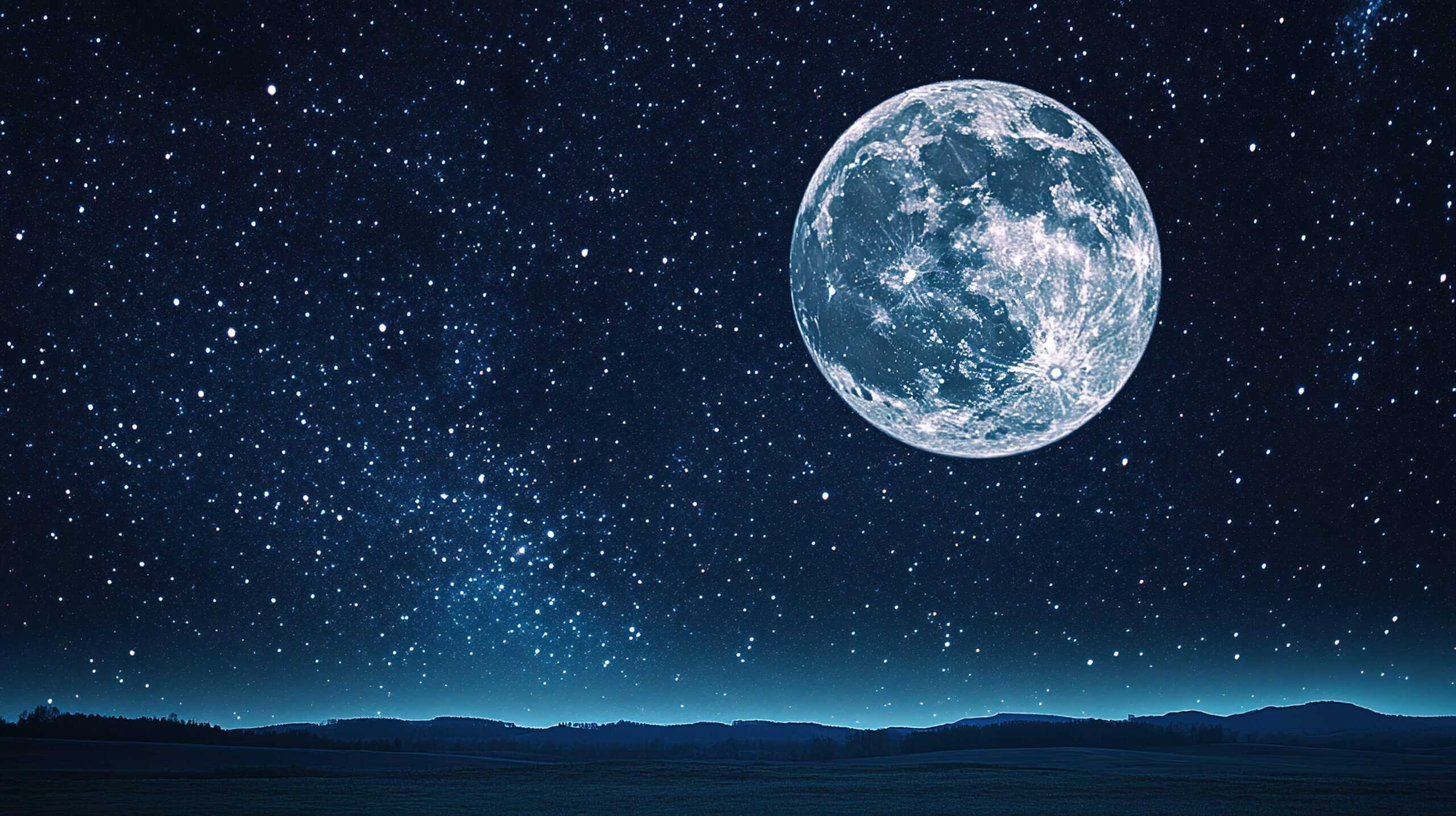
• On April 12, a full Moon rises around dusk and setting at around dawn, visible most of the night.
• Are you an early worm? In the east at dawn, Venus moves higher each morning, shining at a maximum brilliance of magnitude -4.8.
• From April 19 to 30, look towards Venus at 5:30 A.M. Very low below the blazing planet are Mercury and Saturn.
• On the 25th, the waning crescent Moon joins the trio of planets—Venus, Mercury, Saturn. It hovers to the left of Saturn, and above Mercury—with Venus higher than them all.