


Is a “forever home” a good idea? When should I leave? How will I know? Where will I go?
As I begin talking about this sensitive topic, I know “home” is not only important for safety but it’s tied deeply to our needs for love and belonging. Change in this area can cause real fear and I don’t take it lightly. Still, if we can talk about it and gain knowledge about it, we may reduce the fear of it.
Am I an expert at knowing when to leave? No. It’s a highly personal decision and ultimately, only you or perhaps your loved ones will know when the time is right. Then why, you might ask, am I writing this article? Because I believe it’s important and I also believe I have a unique perspective as a financial advisor for the last 32 years and longtime local realtor. So, I thought I’d add my two cents because while the idea of selling your home and starting a new chapter can be daunting, it can also be fun. Imagine all the possibilities a fresh start can bring.
In real estate I’ve seen several cases where the people should have left their homes years before they ultimately did. I’m sure you’ve seen this too, where owners are no longer capable of taking care of themselves and their property, let alone their finances. The money that would be much needed for future care can be used unwisely and leave them in a more difficult situation. One lady I spoke to lives in an assisted living community and hasn’t lived in her home for years. She is convinced that all is well even though the costs associated with owning her home are draining her limited resources. Many owners had no close relative to notice their decline and no legal documents to allow neighbors to help them. In a future article, I’ll cover who to reach out to and how to find them and the kinds of documents they might provide. If you know of a situation that is urgent, an elder law attorney could be a good resource for advice.
If you have a spouse, hopefully they’ll recognize when it’s time to make a move and rightsize. Some call moving out of your home downsizing, but I call it rightsizing, because you’re making a move that’s the right fit for you at this time in your life. Perhaps you have children who are in touch regularly and with whom you can discuss long-term plans for your golden years. Some people spend more time planning vacations than they do on their life plan.
“Mom, what would you like us to do if you eventually aren’t able to take care of things?” “Here’s what I would like.”
If you feel comfortable, bring your children or close relative along when you speak to an attorney. If your family isn’t geographically close to you, know that many attorneys can hold remote and confidential meetings via Zoom where children in Washington, Louisiana, and Georgia can all be there together by computers. And while attorney fees vary, some have reasonable fees for a simple case, so don’t put off the planning process to a time when it becomes much more complicated and potentially expensive.
Having that conversation isn’t always easy, but it’s an essential way to plan ahead. It could lead to creating your “notebook” with legal documents or location of file cabinet, a list of people to call and their numbers (children, friends, CPA, attorney, financial advisor,) list of financial assets, account numbers, and passwords, so that you and others who care about you have clarity about your future—and what’s better than that? The notebook should be kept in an easy to find spot and labeled clearly. And one big thing—make sure every asset you want to be in the trust is titled in the trust or trusts’ names—it’s only in the trust if the name says so.
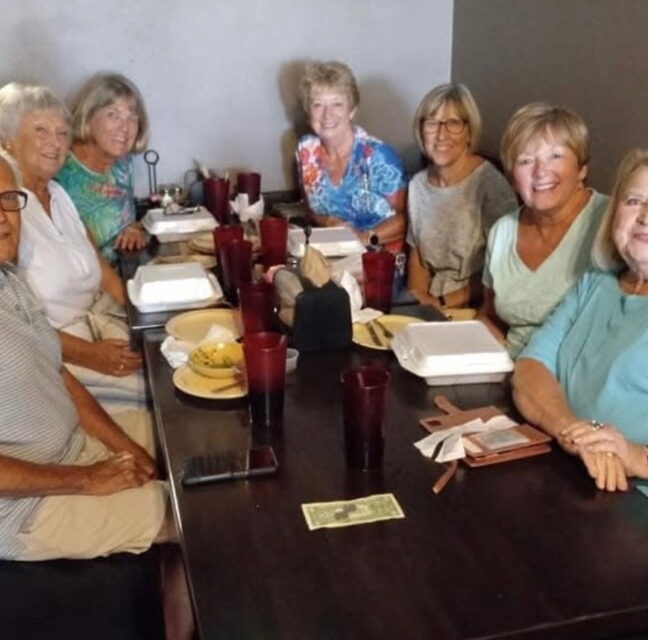
If you’re a single person, I urge you to speak to your neighbors on a regular basis. Talk to them about your concerns. Life can be hard, especially when you feel overwhelmed with all the details, but there are always people willing to help but may not know you need it. You can even have your neighbors get together for lunch, where you can not only make sure you have clarity about each other’s plans, but you’re also enjoying delicious local food. I call that a win-win.
If you’re the neighbor and you sense that something isn’t right with your neighbor, this is a gentle reminder to try and reach out. If that doesn’t work, there are professionals in our local area who may be able to speak with them or check and make sure all is okay. Of course, there’s a fine line between thinking your neighbor needs help and hearing them yell at their computer because AI is asking them for the 50th time the purpose of their call!@#. That noise is only your neighbor banging their head against the computer, wistfully dreaming of when times were simpler and less filled with ChatGPT prompts but I digress. In dire situations, there’s usually some clear evidence of trouble. I have a client who drove her car when she was no longer qualified. I noticed the dents all over her vehicle, and she said the parking places are too narrow these days. Her daughter and I compassionately intervened, I think this may have saved her life or at the very least some very expensive bills or lawsuits.
Today, a long-term dear client called and through tears told me that her sweet husband had been killed on Friday by a drunk driver. The only tiny positive was that her “notebook” is in order, which will make this agonizing time slightly easier to navigate.
So, the moral of this opening discussion is put yourself in a position of power; the power to choose, rather than someone else choosing for you. There’s nothing embarrassing about being pro-active and choosing to embrace the next chapter of your life. It might even be a chance to make new friends, (while maintaining old friendships) have new experiences, and live in a place where you can be safe and happy, a place to call home sweet home.
One resource I’ve used for general information is 11 Signs It’s Time to Move to Assisted Living – AgingCare.com.