

How I spent my summer vacation. I had a merry time eating my way across the Maritimes. The Maritime Provinces of Canada are New Brunswick, Nova Scotia, and Prince Edward Island. These three provinces sit on the Atlantic coast. They share a rich history tied to the sea, beautiful rocky shores, and a strong fishing and shipbuilding culture. The area was settled by the French who got along fairly well with the original inhabitants they called “First Nations.” During the Seven Years War (known in the U.S. as the French and Indian War) the English were victorious in taking power, which was officially ceded in the Treaty of Paris in 1763. With Irish immigrants flooding in during the great potato famine the region became even more diverse and today boasts many accents and traditions.
I flew into Halifax, Nova Scotia, and was introduced to Ketchup Chips at our orientation gathering. My seven-day bus tour around the Maritimes would be difficult to summarize here so I’ll give you a rundown of the highlights in hopes that you may want to see this beautiful region for yourself.
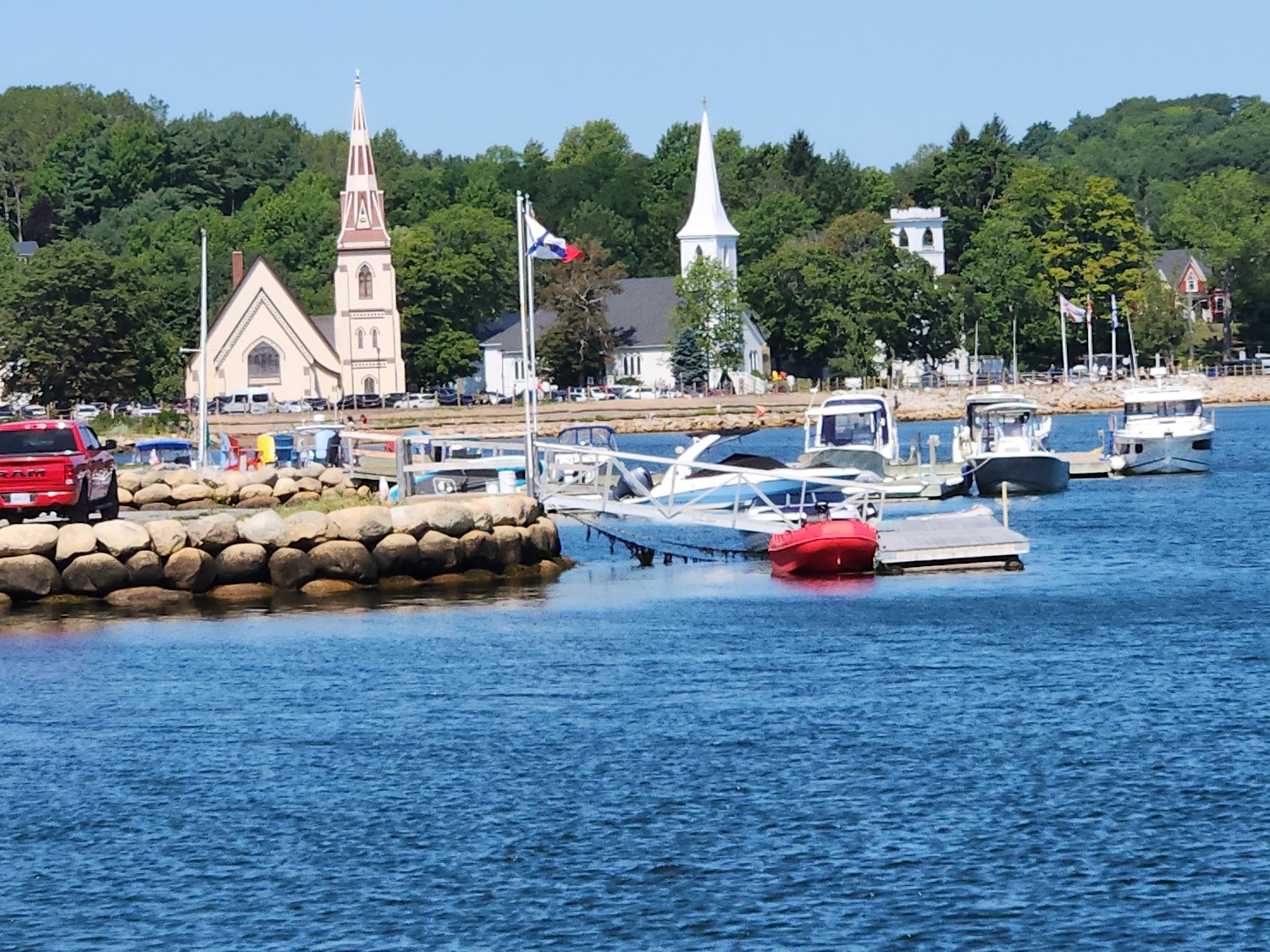
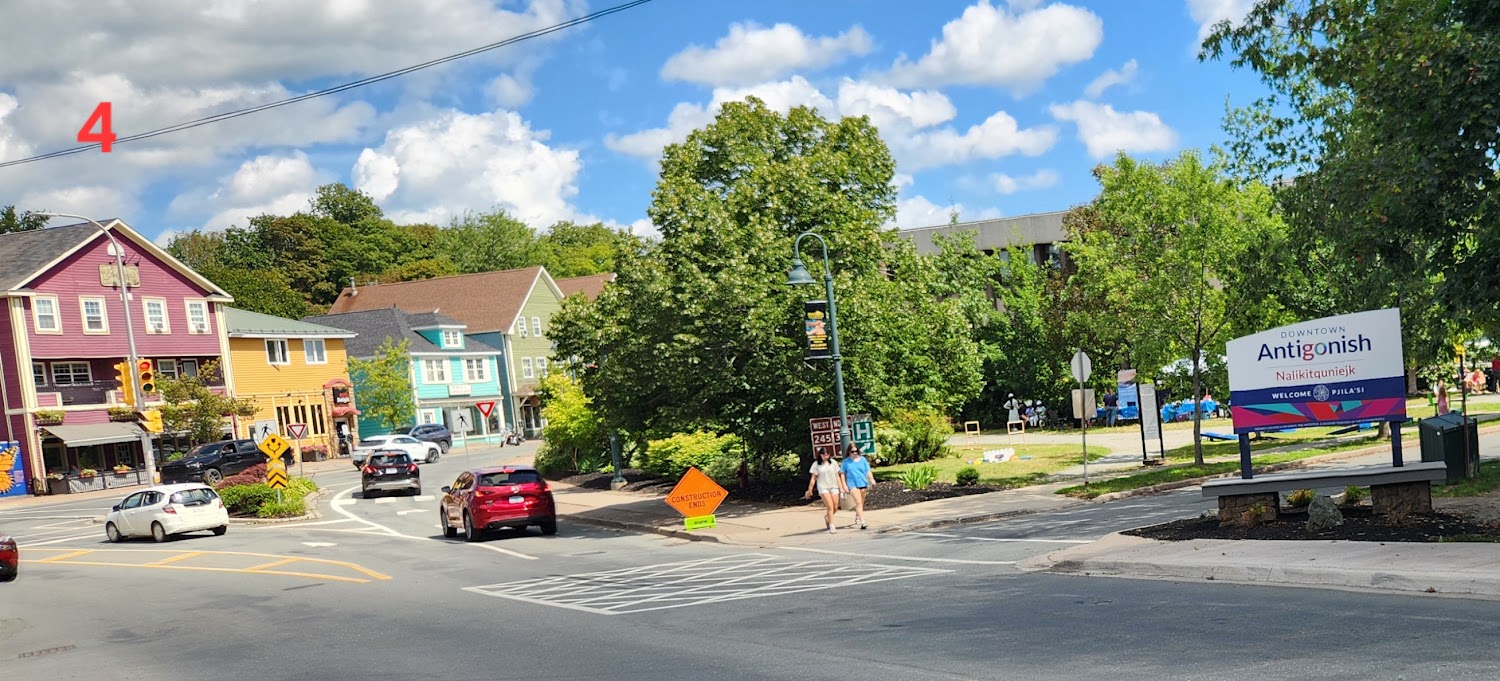
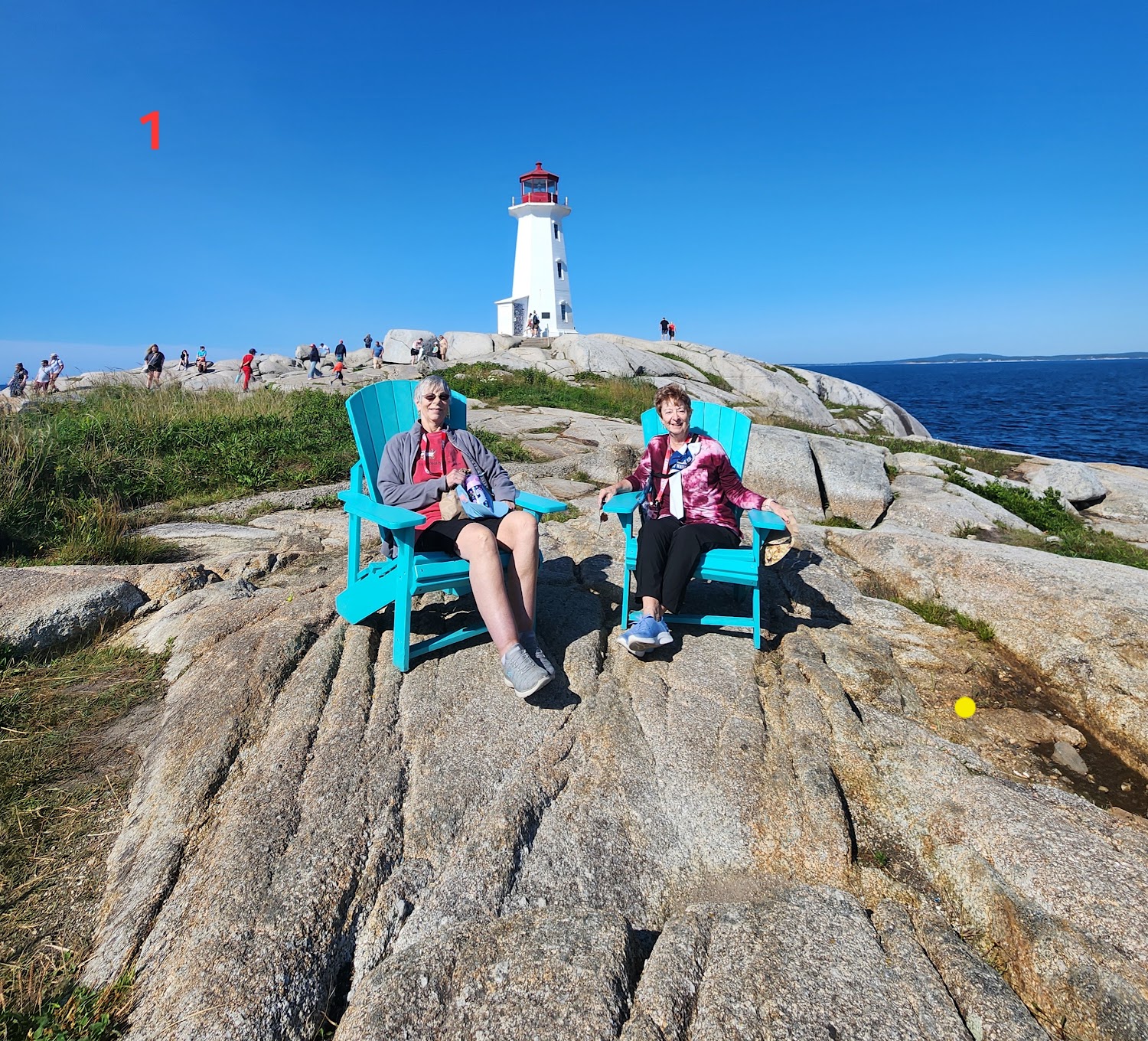
Peggy’s Cove was our first stop to introduce the seaside landscape with a lighthouse built in 1915 on massive granite rocks. We dined on Blue Mussels in the quaint fishing village of Lunenburg. The second morning we visited Fairview Lawn Cemetery where more than 120 casualties of the sinking of the Titanic are buried. Stopping for lunch we enjoyed maple cream filled Peace by Chocolate in Antigonish as we headed to Cape Bretton Island, via the Canso Causeway.
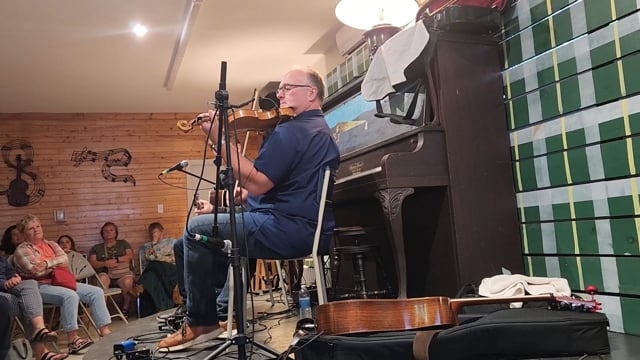
The next day, after the usual breakfast buffet, including French toast with local, fresh, maple syrup we drove by bus over the Cabot Trail with many scenic photo stops and a bog walk. That evening, we tapped our toes to fiddle music at The Baddeck Gathering Ceilidh after dinner.
At the Alexander Graham Bell Museum, we saw more aeronautic and submarine inventions than communications innovations and enjoyed a cruise on the Bras D’or Lakes to see his home and final resting place.
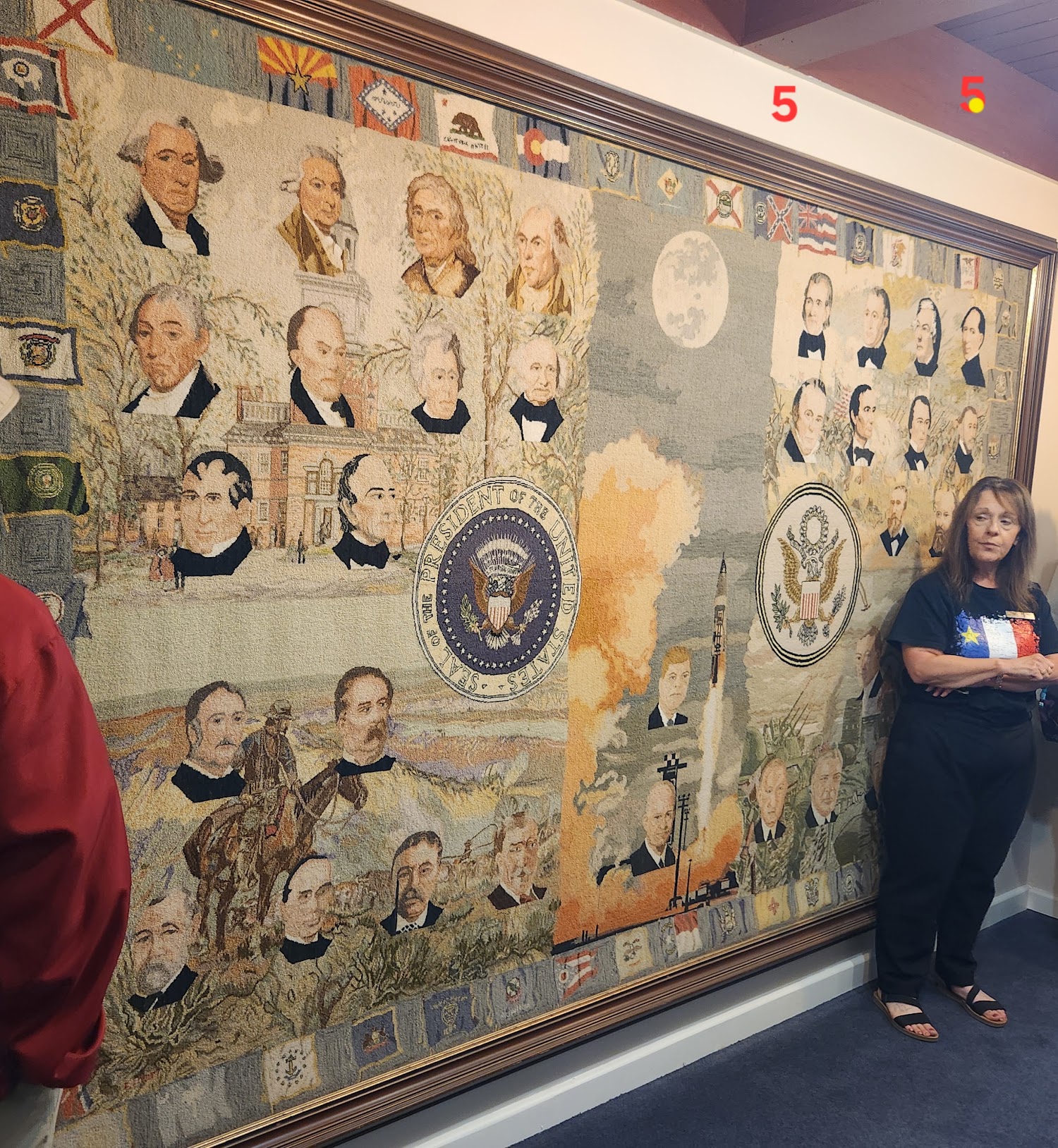
One of my favorite stops was the Hookers’ Museum, displaying a vast collection of hooked rugs and memorabilia in the Elizabeth Lefort Gallery. The craft and artisans have dwindled lately, and they are always looking for young hookers to teach their trade.
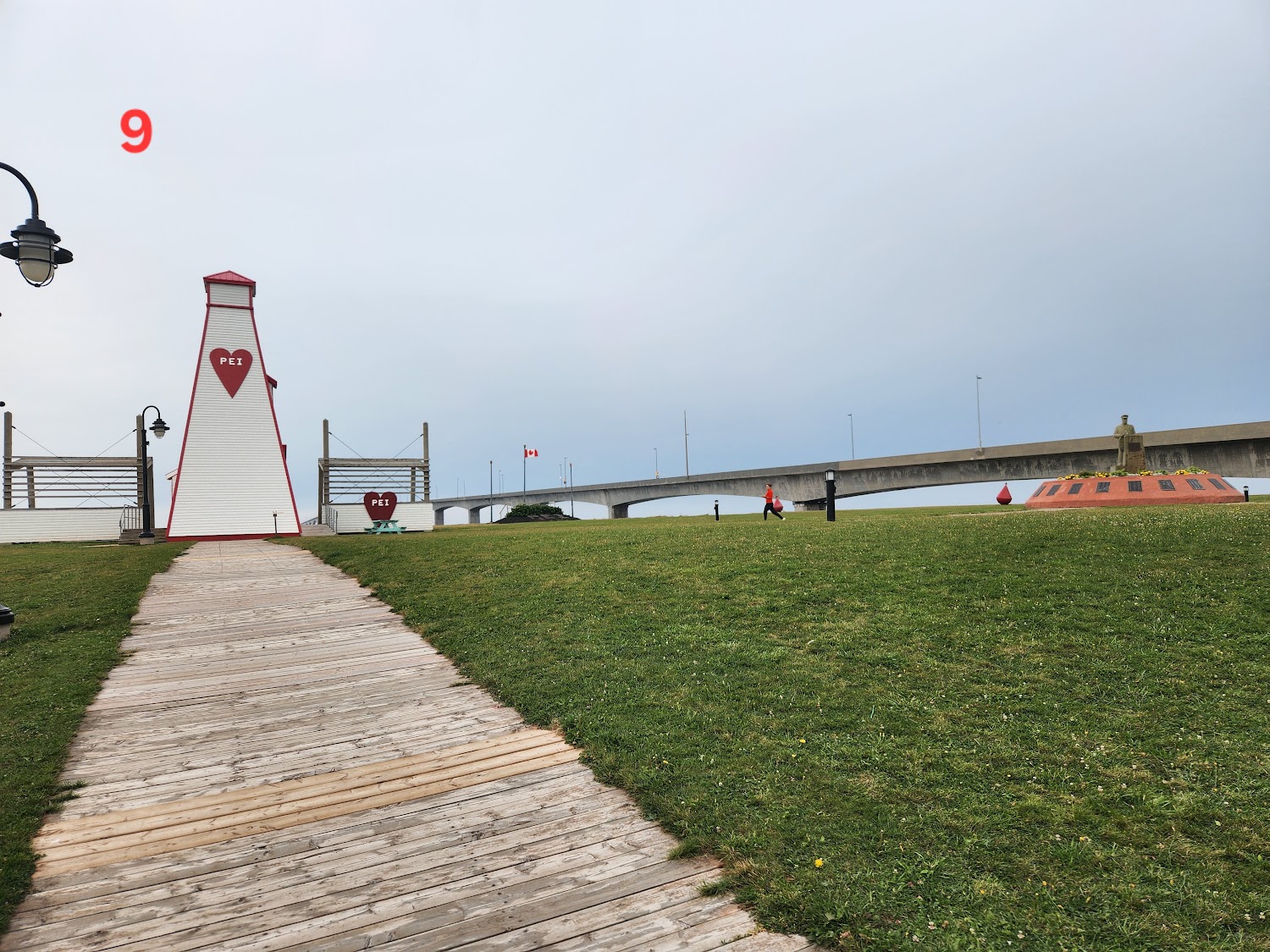
We took the Maple Ferry to Prince Edward Island where maple flavored ice cream was sold in a lighthouse. Then we tasted maple vodka and other exotic flavors at the Beamish Orchard’s Deep Roots Distillery.
Our tour guide provided samples of Cow Chips (chocolate covered ruffle potato chips) with raspberry cordial and played episodes of Anne of Green Gables on the way to visit the author’s childhood home where we planted blue potatoes and took a carriage ride. That day we also ate preserves at the Garden of Hope Preserve, tried three types of oysters at Raspberry Point Oyster Farm, and over-indulged at Fisherman’s Wharf Restaurant.
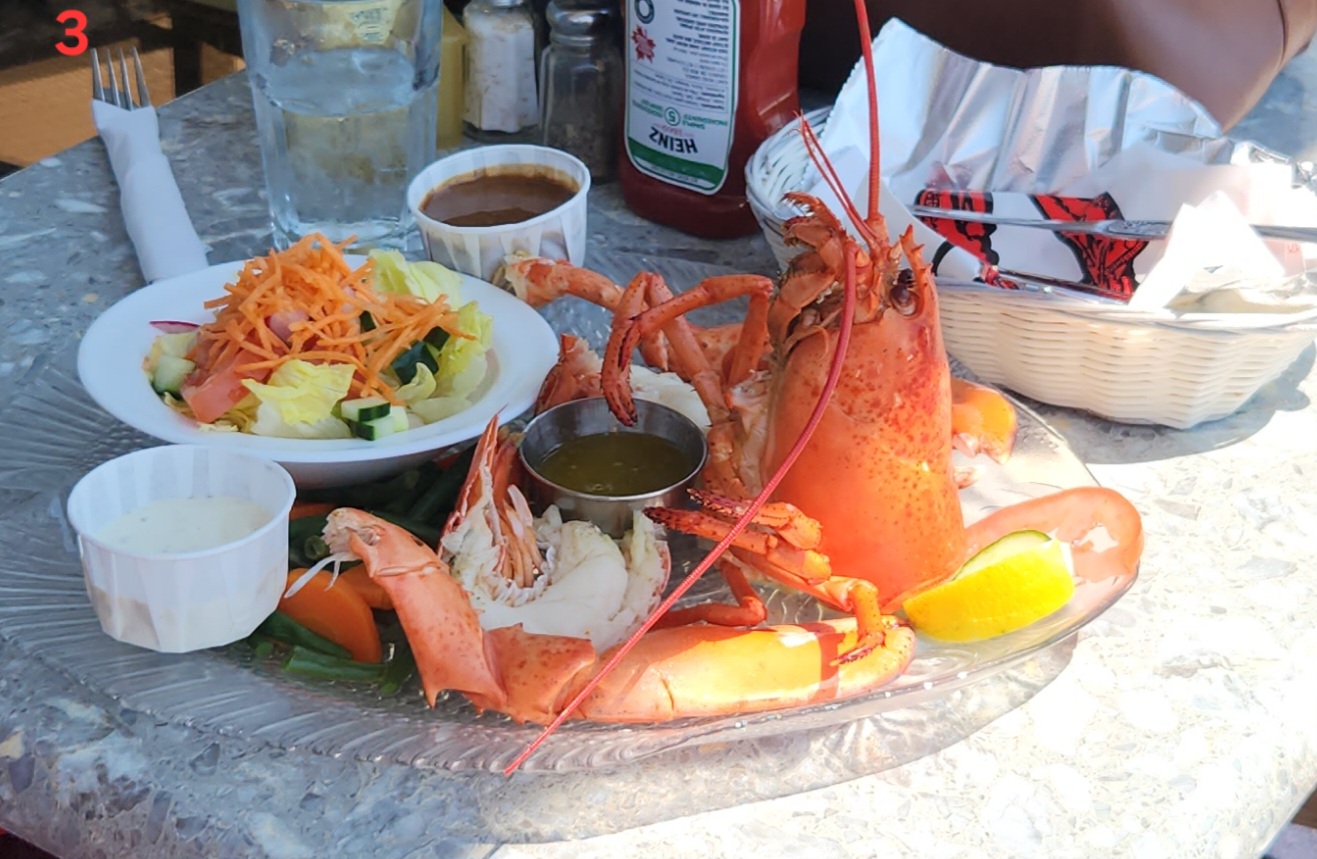
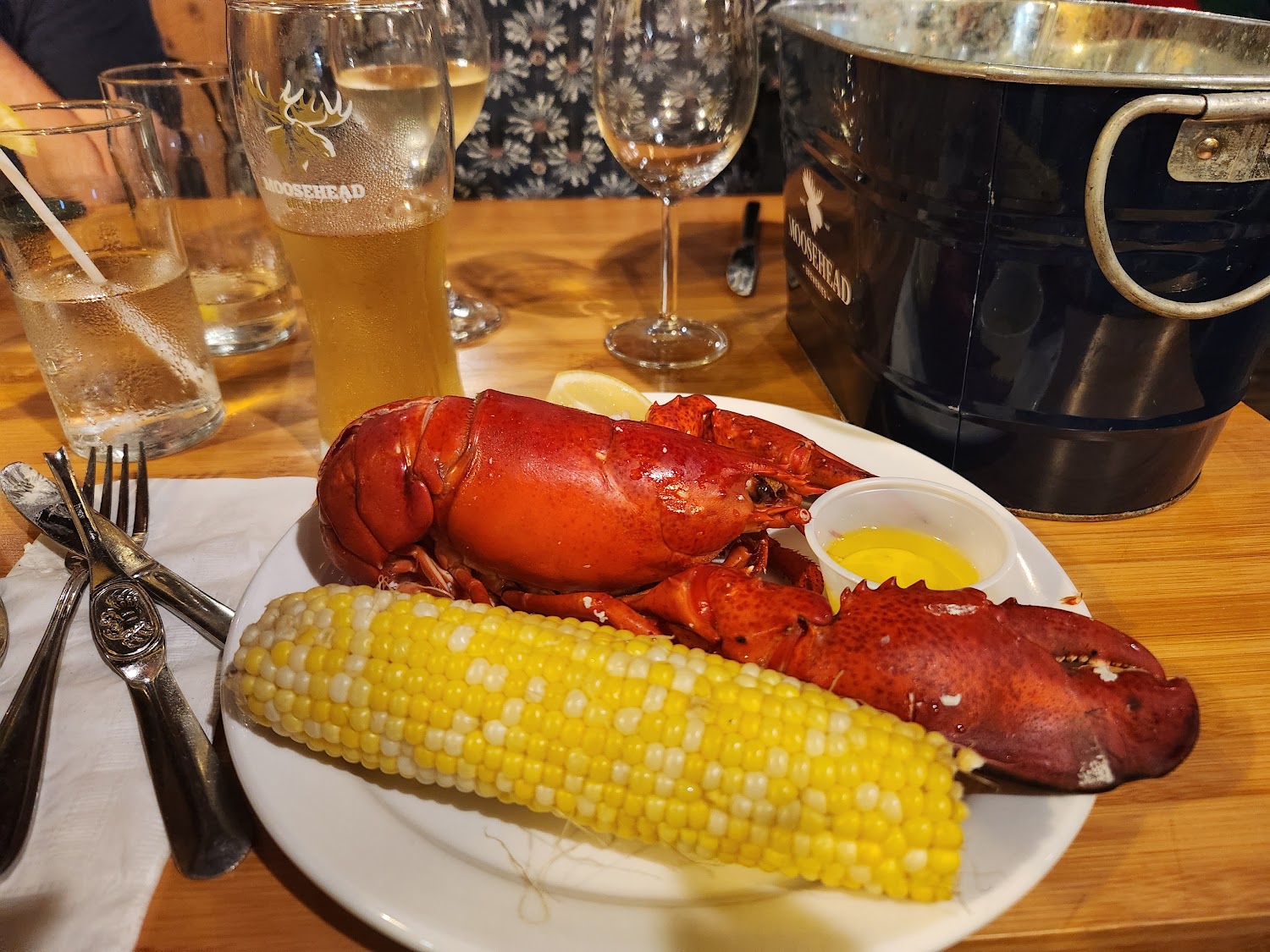
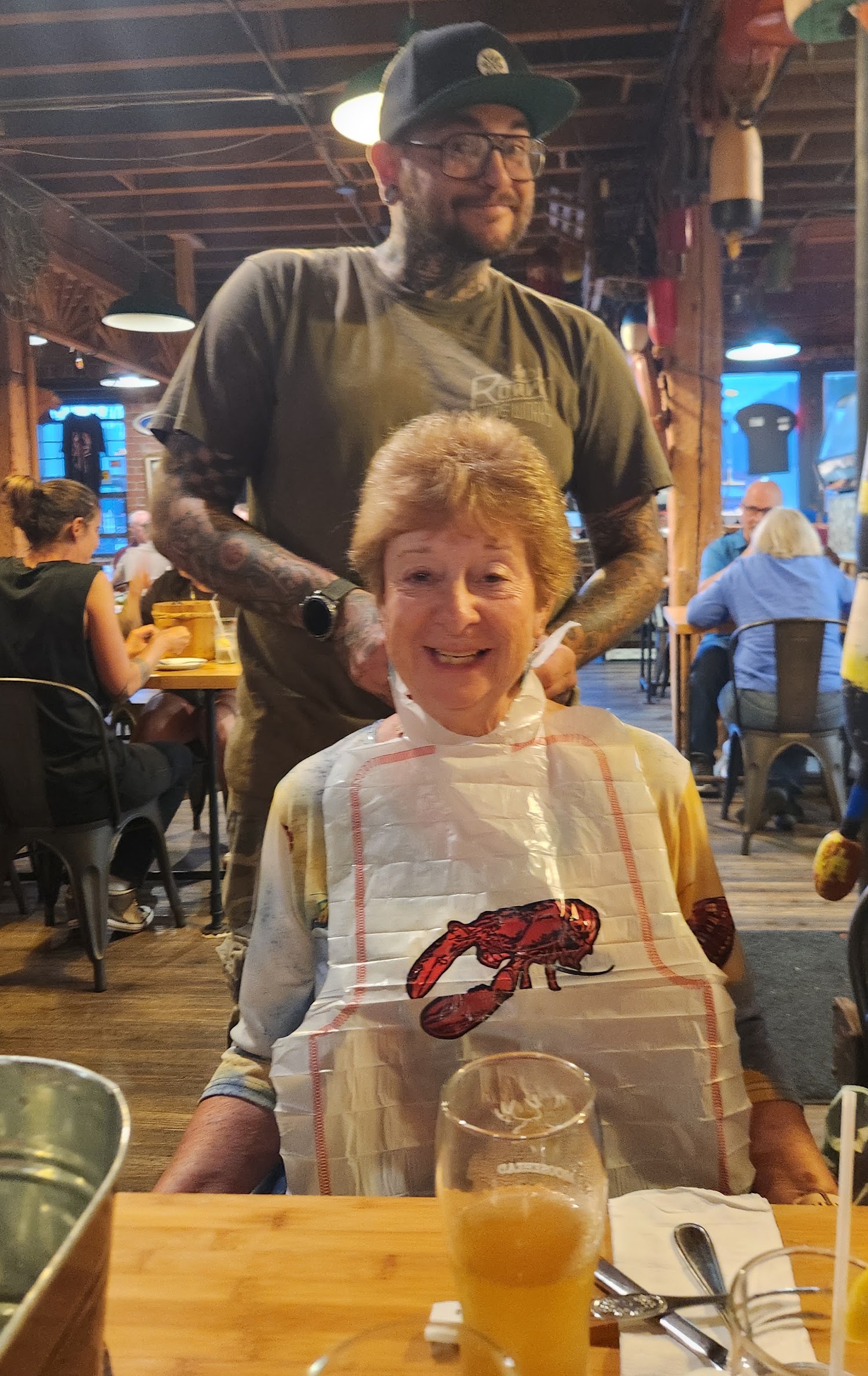
At the world-famous Fisherman’s Wharf Lobster Supper in North Rustico, Prince Edward Island, freshly steamed, local blue mussels are served as an all-you-can-eat feature. They are included with every main entrée alongside a legendary 60-foot salad and seafood chowder bar. And the placemat has instructions on how to eat a lobster.
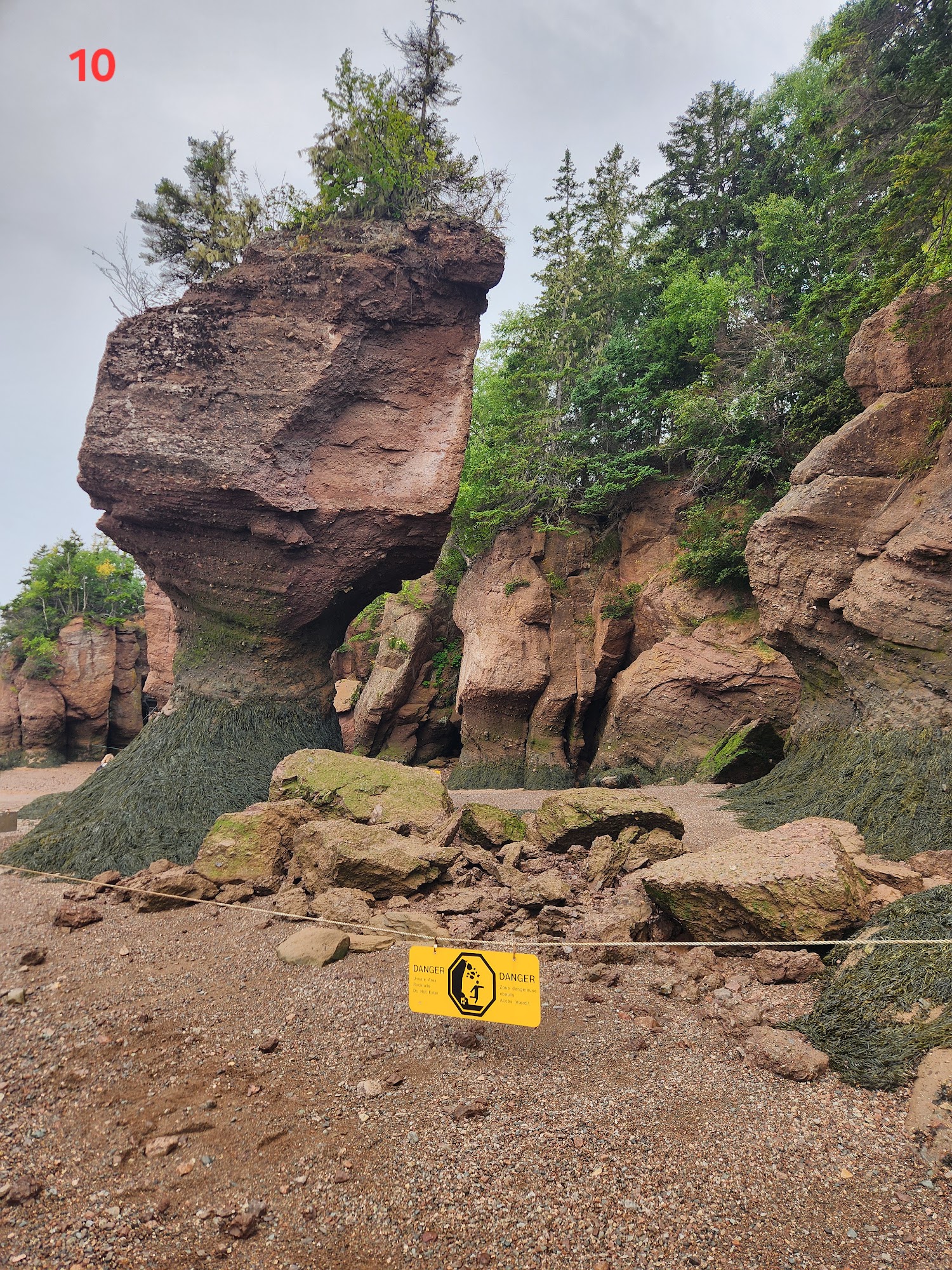
Trying Poutine on the rocks (French fries covered in brown gravy with cheese curds and bacon) at Hopewell Rocks was the most fascinating stop. In this area near the Bay of Fundy the tide can rise as much as 40 feet and regularly comes in at a rate of about two feet in 10 minutes. The erosion here causes what they call flowerpots in the water where vegetation and trees rise out of the water on little rocky islands.
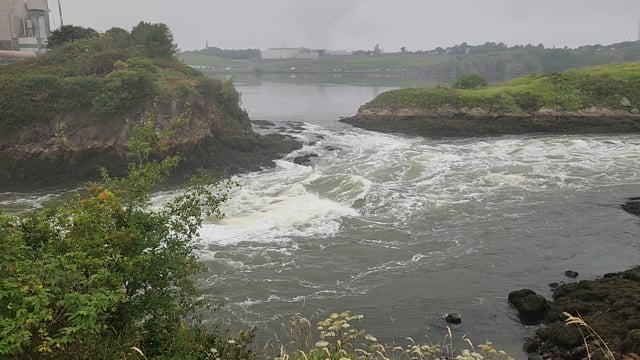
After crossing the longest single span bridge into New Brunswick, we marveled at reversing rapids, another unusual occurrence caused when the tides reverse, on our way to Place Fort La Tour. Hearing this fascinating tale of English ingenuity and deception made me wonder why it hasn’t been made into its own mini-series.
The last day we strolled the cobblestone streets of St. Andrews-by-the-Sea and enjoyed a leisurely lunch of Digby scallops while enjoying a view of the Maine shoreline across the bay. Then we toured Kingsbrae Garden, a 27-acre botanical wonderland, before returning to a lobster dinner in Saint John. When asked about their claim to be the “Lobster Capital” while everyone in the states reveres “Maine lobster” our guide said: “Do you think those lobsters know which side of the line is Maine and which is Canada?”
I hope this culinary tour will encourage you to investigate the Maritimes where the average summer temperature rarely exceeds 77 degrees when Florida temperatures near three digits.
Important note: If you are planning a trip by air, you must spell out Saint John because St. John Airport is in Newfoundland, not New Brunswick, a lesson passed on by a weary traveler at the airport as we were leaving.