I recently had the privilege of taking a 17-day trip to the Azores — nine volcanic Portuguese islands in the middle of the Atlantic. It’s an easy five-hour nonstop flight from Boston. (Interesting fact: more Azoreans live in the Boston area, San Francisco, and Toronto than in their home country.) My travel group of 12 visited five of the nine islands — Terceira, Faial, Pico, São Jorge, and São Miguel. With four-star accommodations on Terceira, Faial, and São Miguel, we island hopped via plane and ferry.
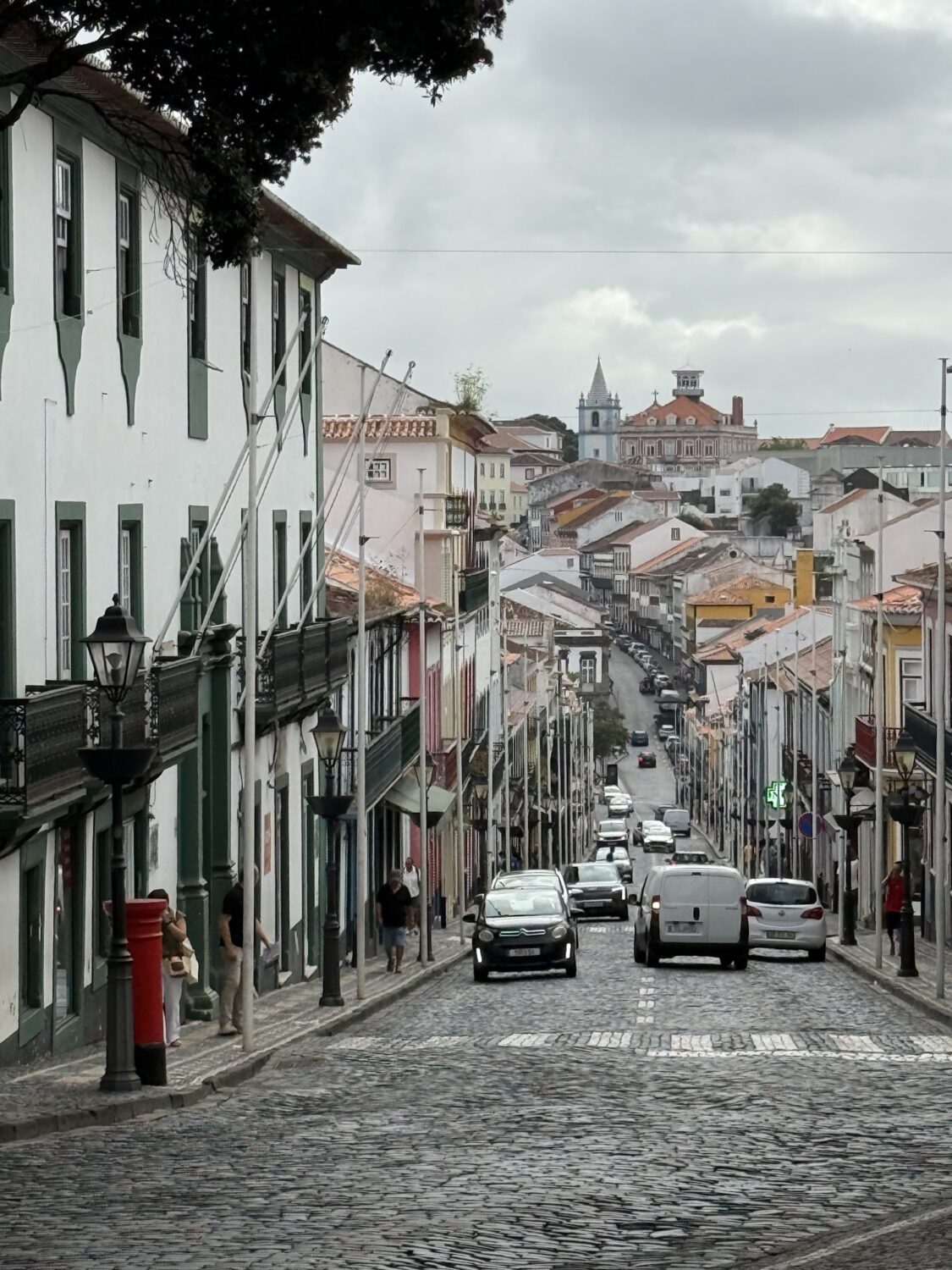
Our first stop was Terceira, a charming island with rolling volcanic scenery, it’s also home to a favorite city destination for tourists — Angra. We enjoyed a half-day guided tour through the streets of Angra, which has an urban layout that has remained unchanged for more than 400 years, a fact that made it the first Portuguese city to be designated a World Heritage Site. We had plenty of “downtime” to enjoy the city’s cobblestone streets, water vistas, shopping, and restaurants.
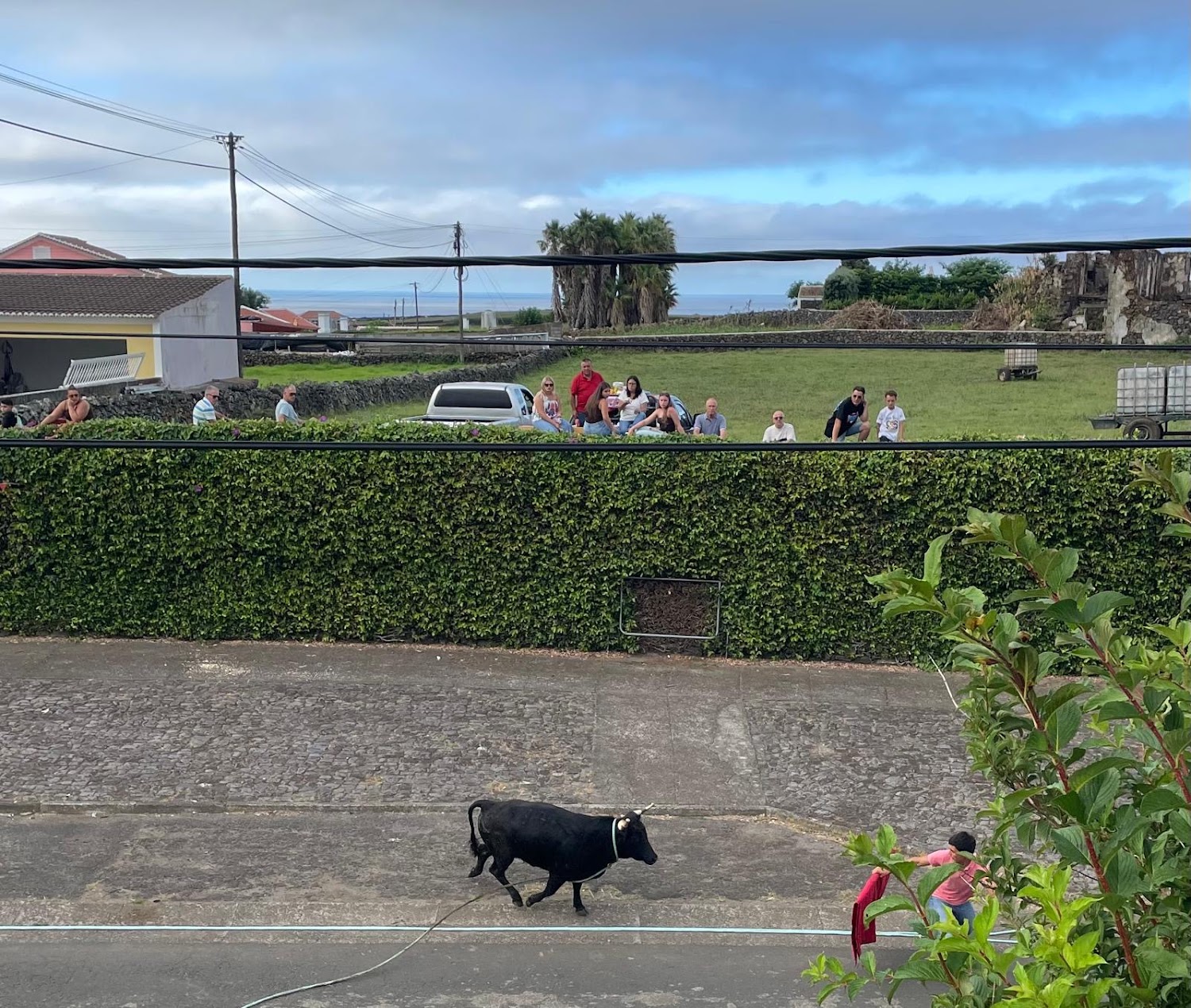
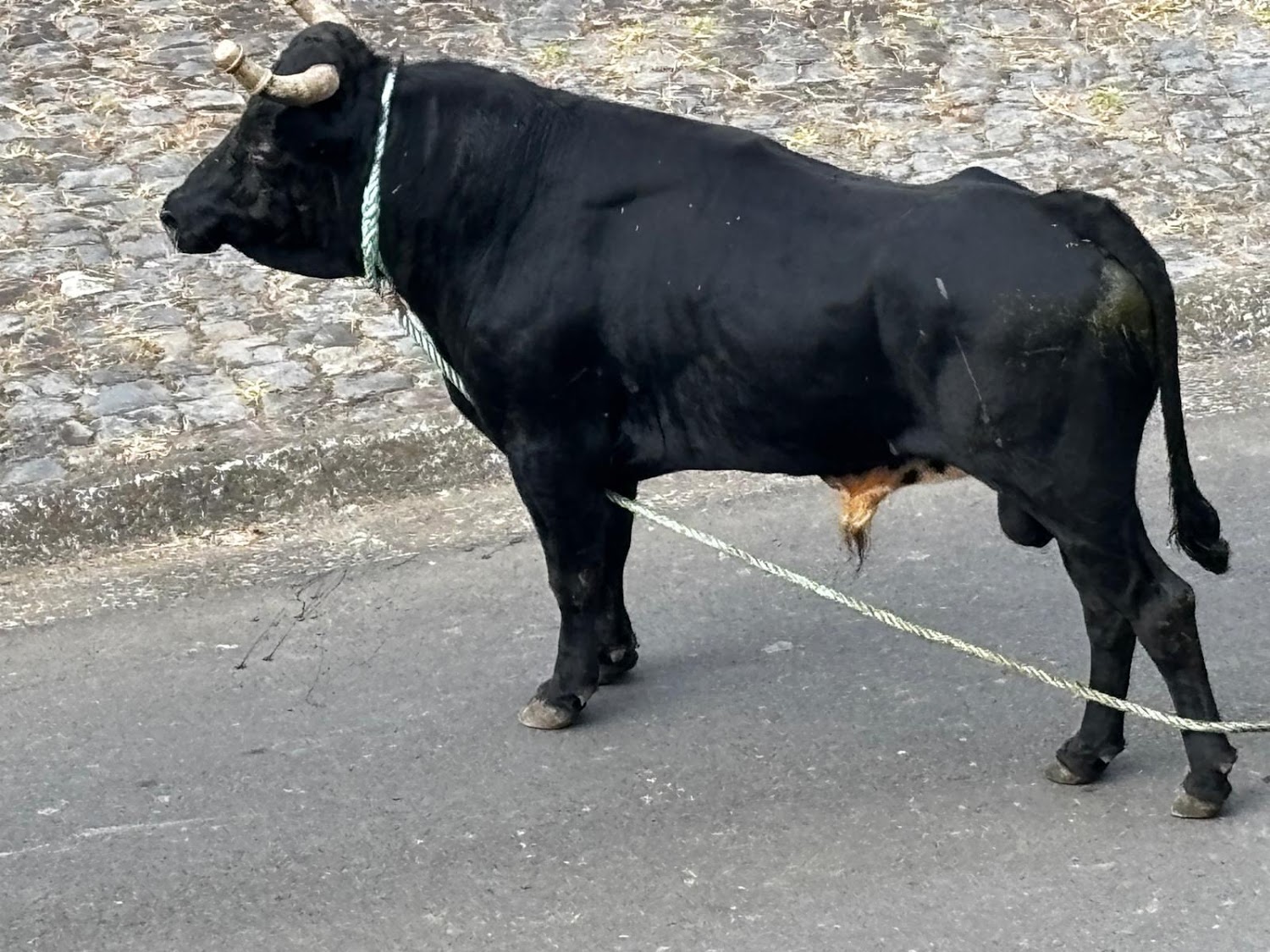
Terceira is also known for its version of the “running of the bulls.” Each town hosts its own multi-day festival during the year featuring “pastores” or shepherds who are responsible for guiding the bulls down the streets. This was something to see.
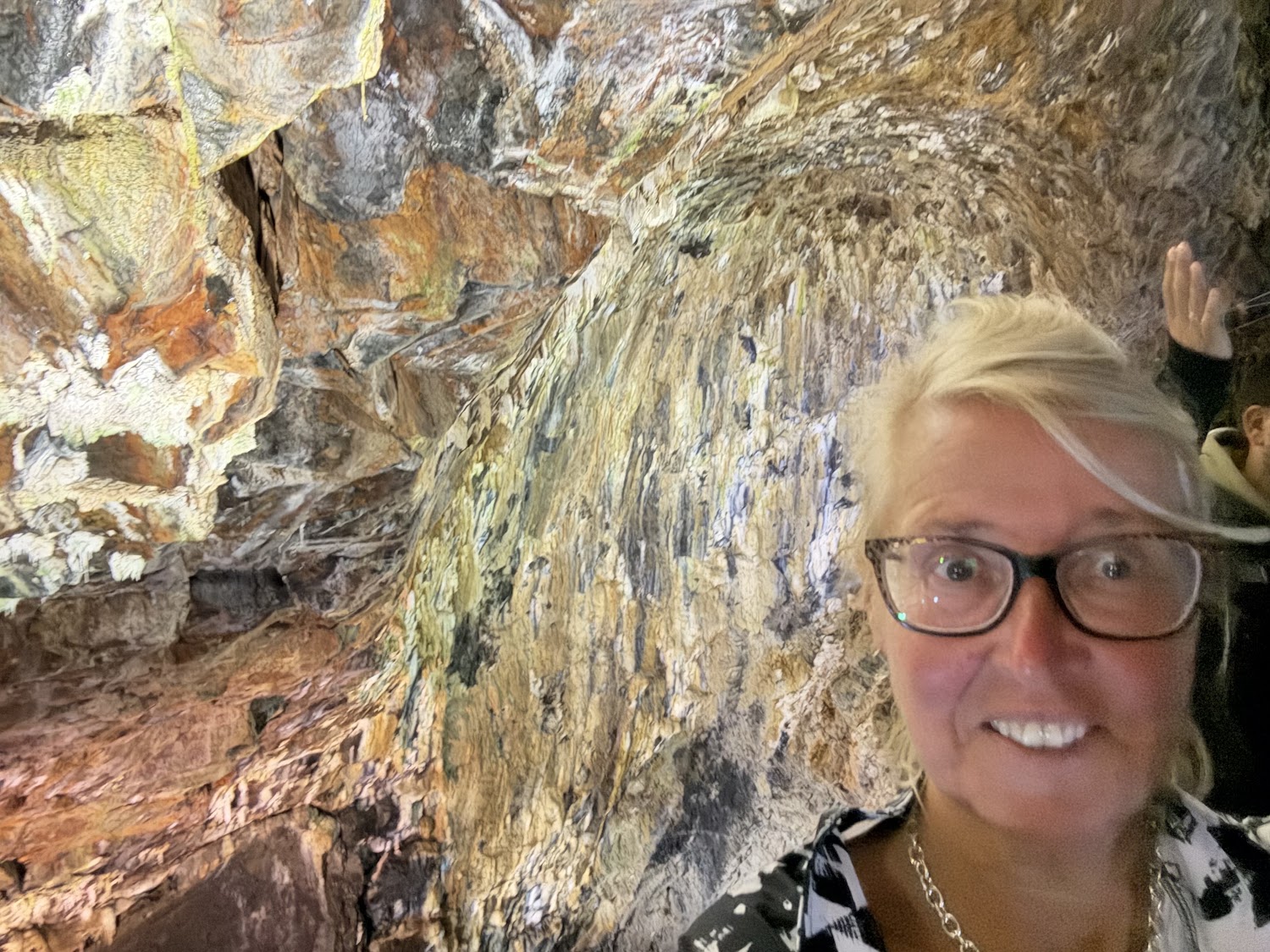
We also spent a full day touring the island’s most notable tourist spots, including Monte Brasil, Baía da Salga, the Church of São Sebastião, the Miradouro da Serra do Cume, the city of Praia da Vitória, Algar do Carvão (the only visitable volcano) and much more. And, yes, I did climb down into the volcano… an amazing experience. We had lunch at one of the island’s best traditional restaurants, where we were treated to Alcatra de Carne, traditionally cooked in a wood-fired oven. (The Azores are known for their beef and dairy products.)
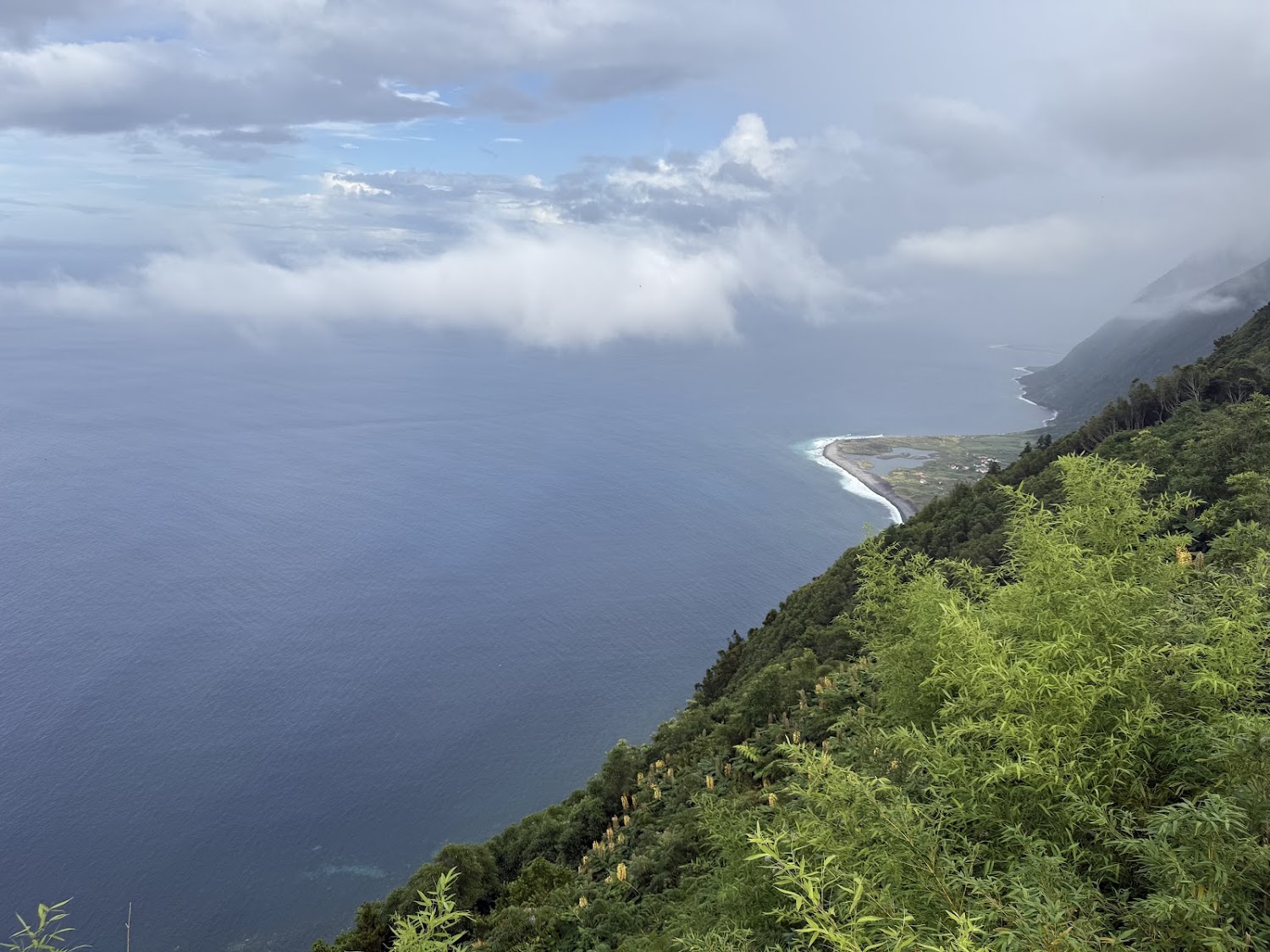
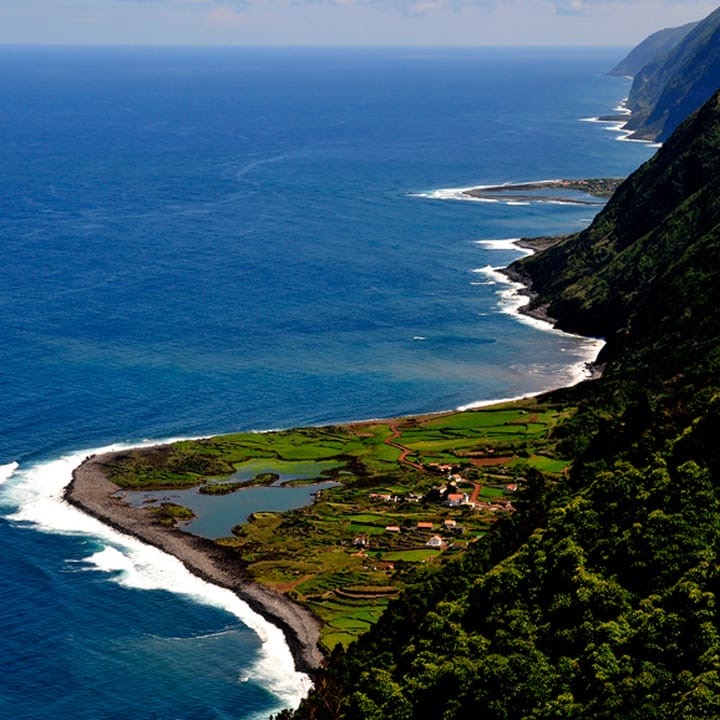
After four days in Terceira, it was a quick flight to Faial, which was our home base for the next three days. On Faial, we boarded a ferry for a two-hour ride across beautiful blue waters to São Jorge Island. This full-day tour included stops at amazing vistas — the Velas viewpoint — then on to Urzelina, a parish by the sea, where a volcanic eruption in 1808 destroyed the entire parish, leaving only the tower of the old church. Continuing along the seafront, there were beautiful coastal views over the neighboring island of Pico. After lunch at a local restaurant, there were stops at the Fajã dos Cubres, Fajã do Ouvidor, and Pico da Velha. In Portuguese, “faja” refers to a coastal landform, specifically a supratidal talus at the base of cliffs, formed by landslides or lava flows.
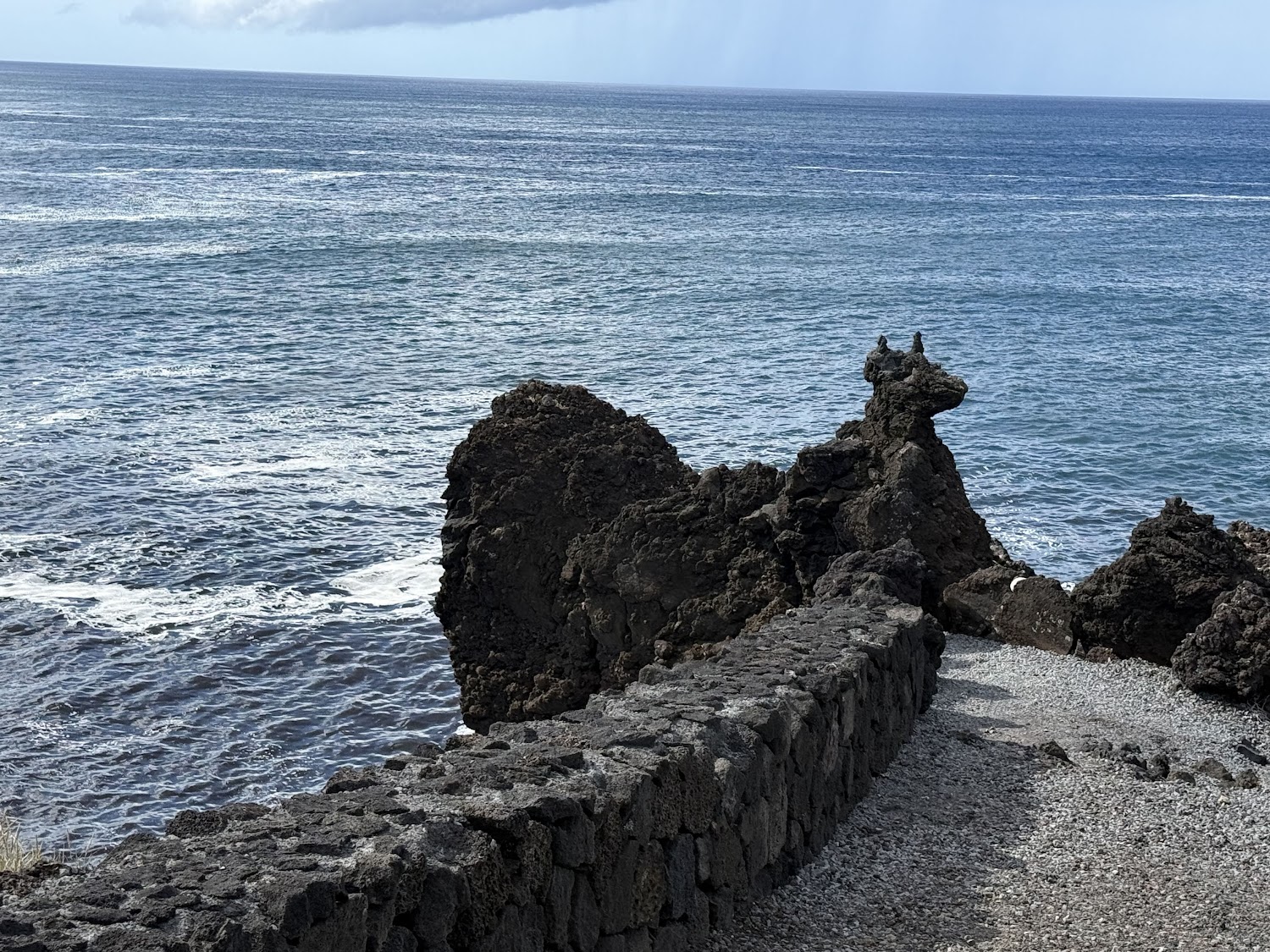
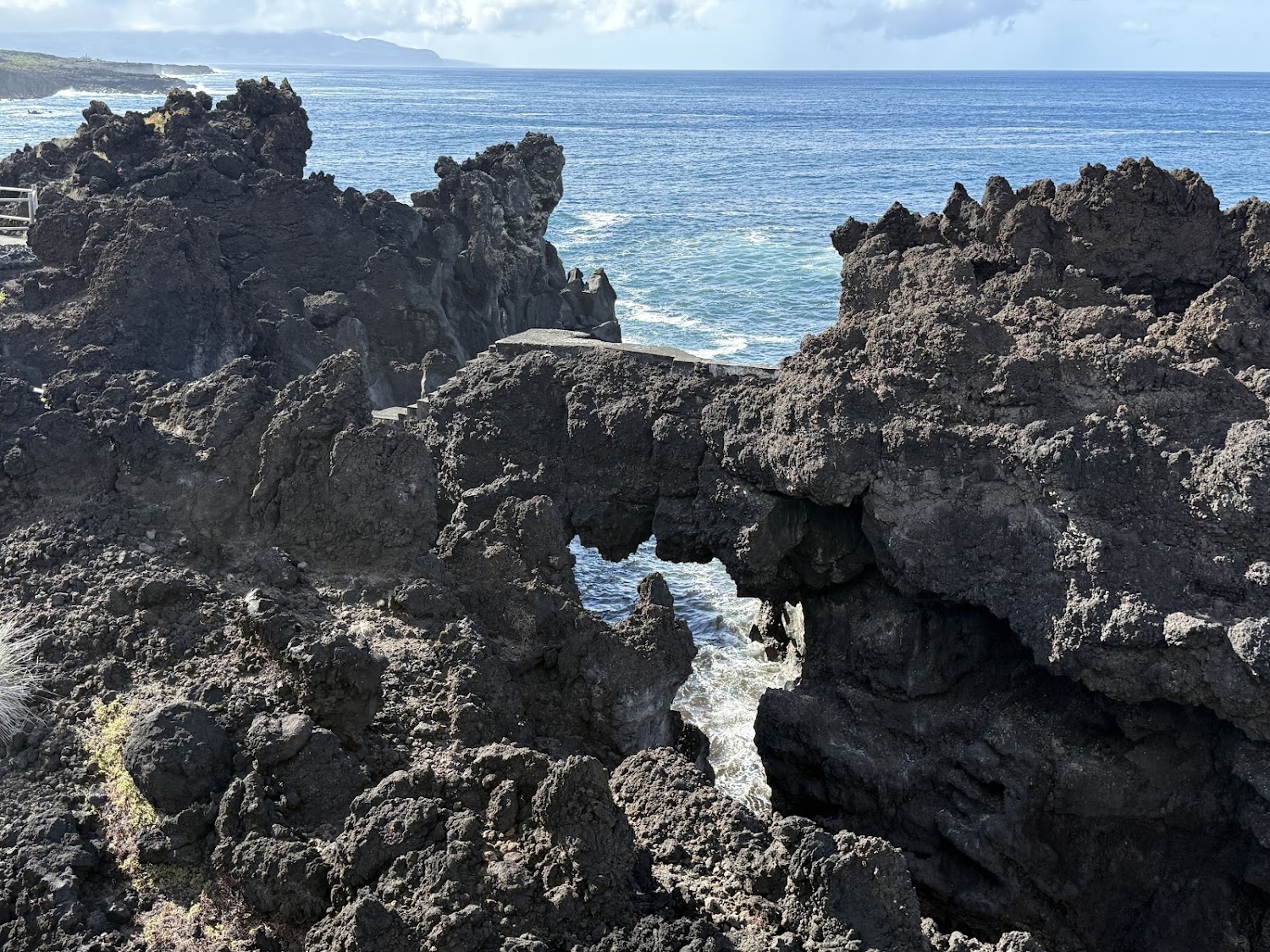
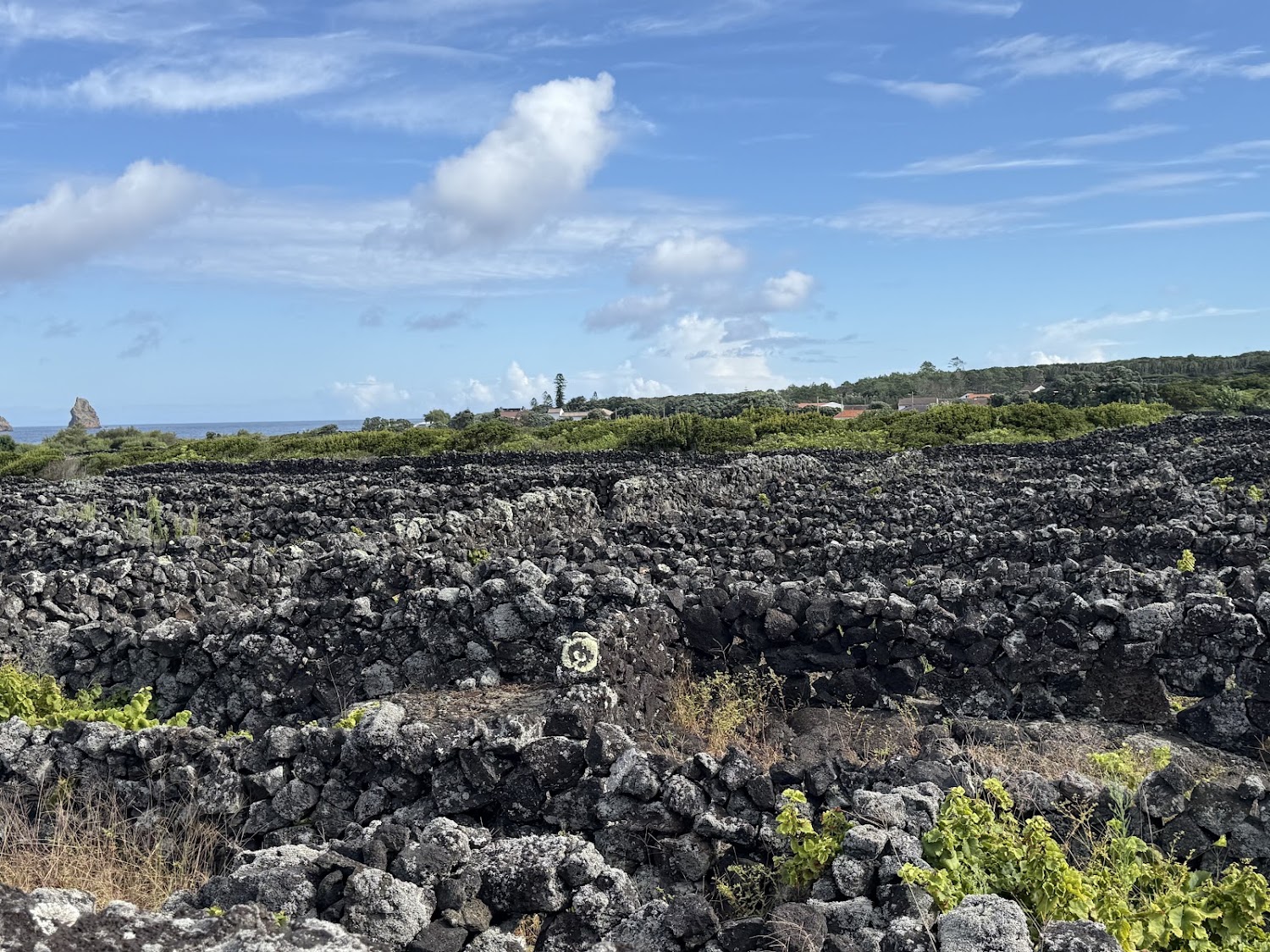
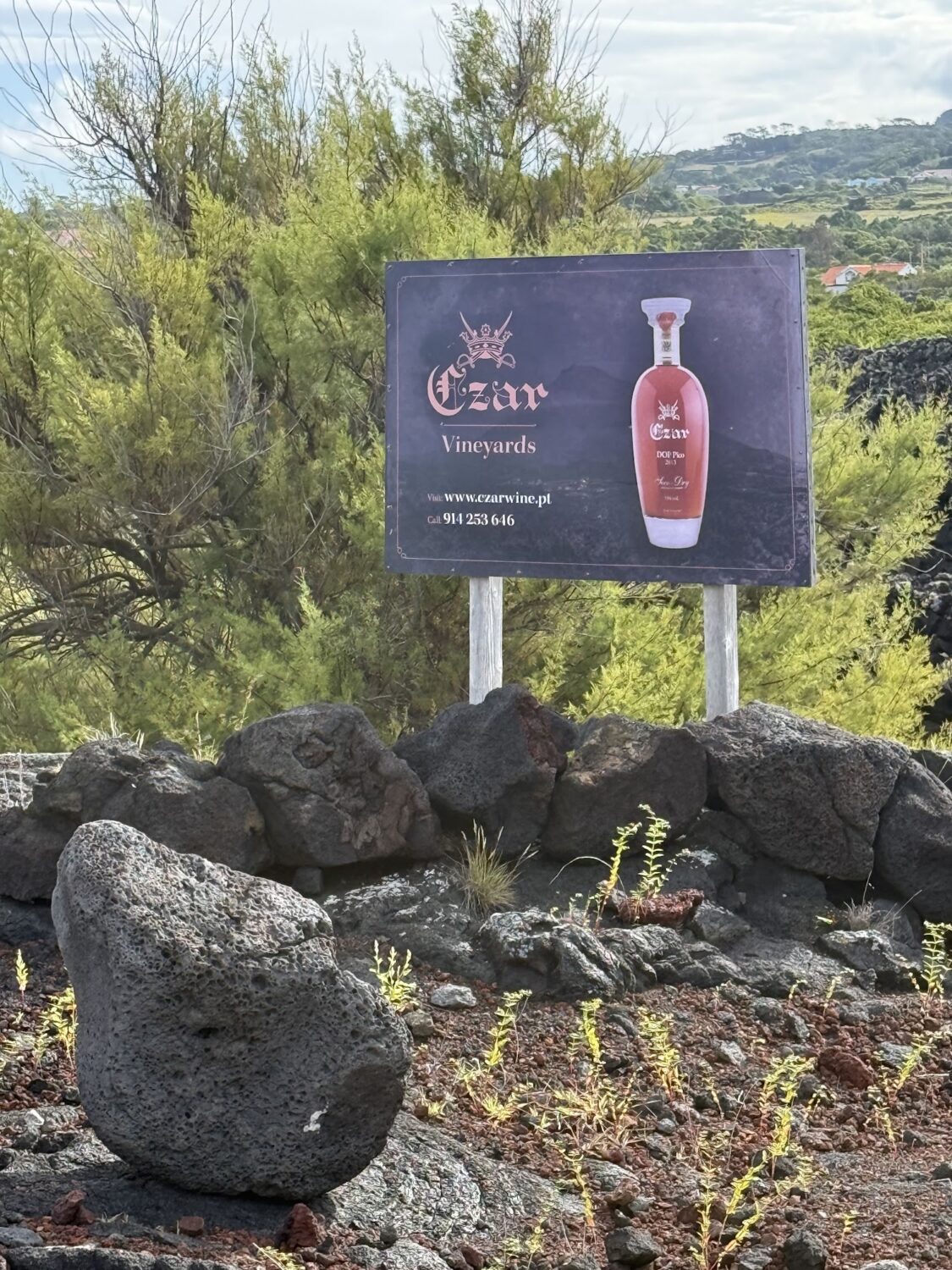
The next day was a quick ferry ride to Pico, one of the jewels of the Azores in my opinion. We saw miles and miles of volcanic rock-segmented vineyards, privately owned and cultivated. And everywhere you looked there were amazing seascapes. We continued on to Lajes do Pico, known as the whaling village. Crossing the island to the north side, we visited the Lagoa do Capitão. In São Roque, we made a brief stop by the commercial pier of the island. We returned to the ferry through the extensive lava field of the Mistério das Bandeiras, ending our tour at the Arcos do Cachorro, with its interesting rock formations pierced by volcanic tunnels and caves.
Our last day on Faial we enjoyed a half-day tour with a climb to Espalamaca and a stop offering a panoramic view of Horta (the island’s downtown) and the north side of the island. We experienced weather ranging from driving rain and mist at the top to sunny and hot by the seaside. We continued through the Vale dos Flamengos towards the Caldeira do Faial. Located in the center of the island, the Caldeira is the true ex-libris of Faial. It is an enormous crater of an extinct volcano. It’s a huge green-covered depression with a small lagoon at the bottom. Descending to the northern part of the island, through green pastures bordered by hydrangeas, we reached a scenic stop with a view of the Fajã. Continuing toward the parish of Capelo, we visited the Vulcão dos Capelinhos. The 1957 eruption of the Capelinhos volcano lasted 13 months, devastating local communities, rendering agricultural lands unusable, and prompting an emigration movement. After the lava flow stopped, there was about two miles of new land, which the Portuguese subsequently claimed as their own.
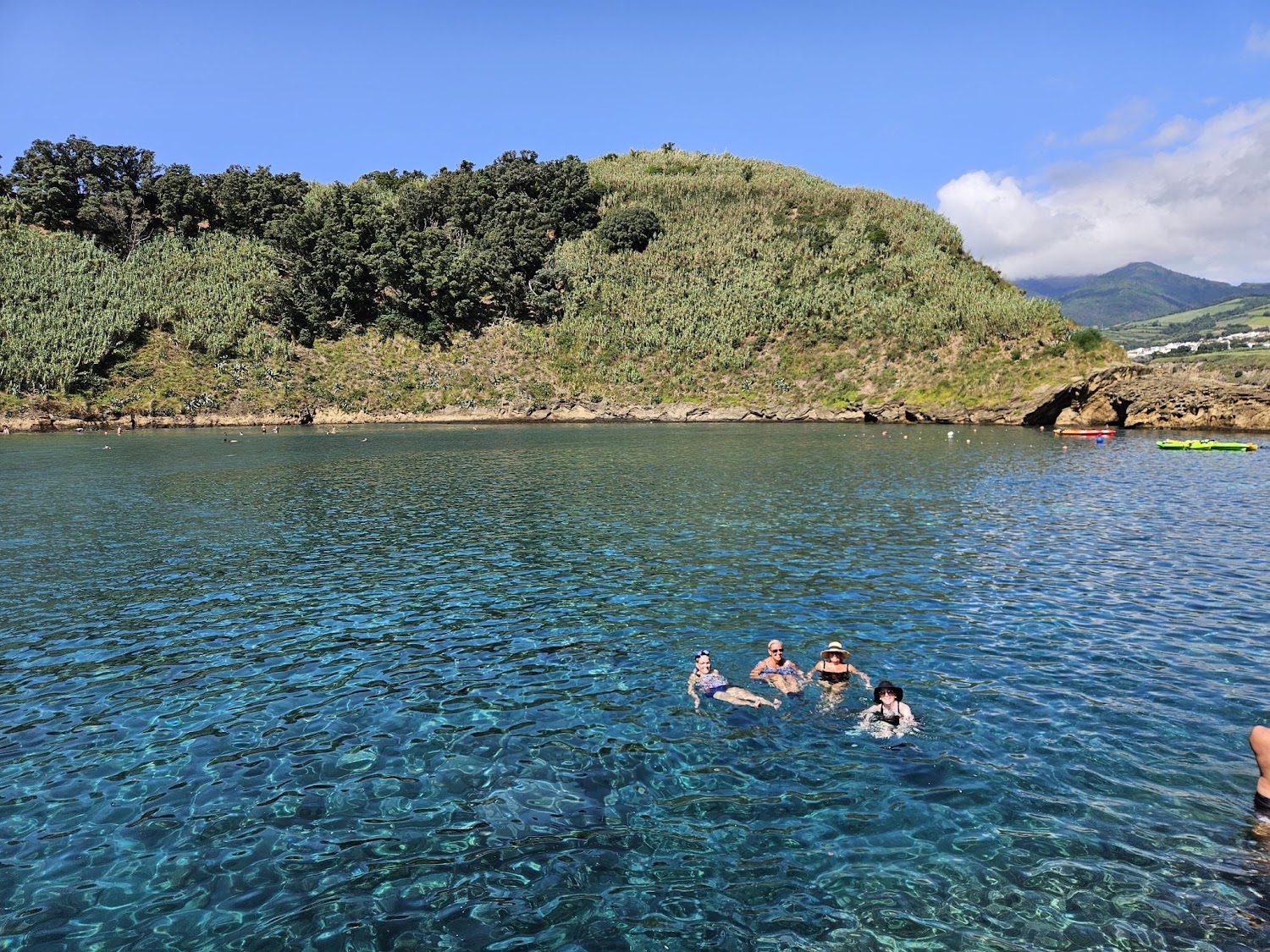
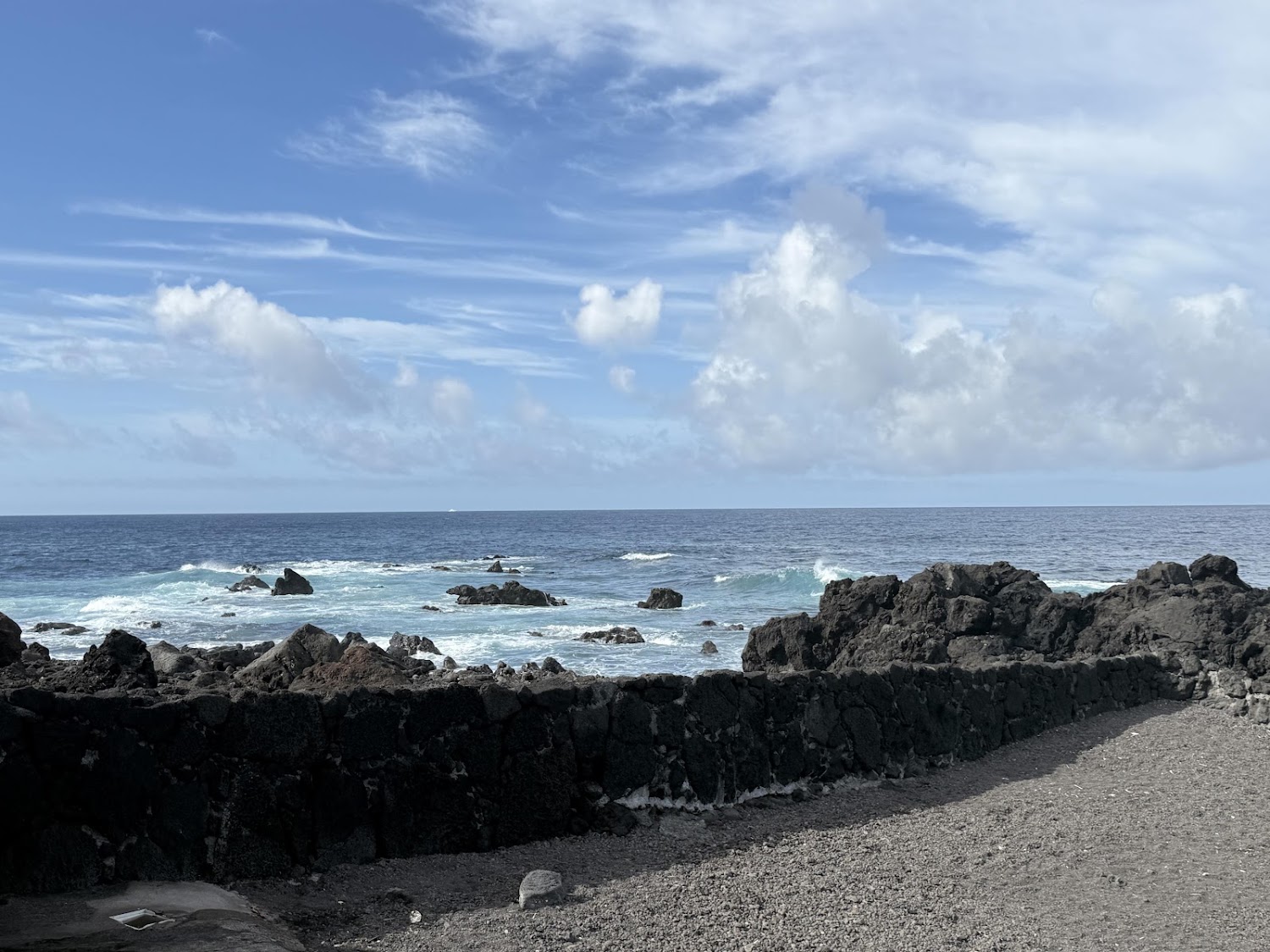
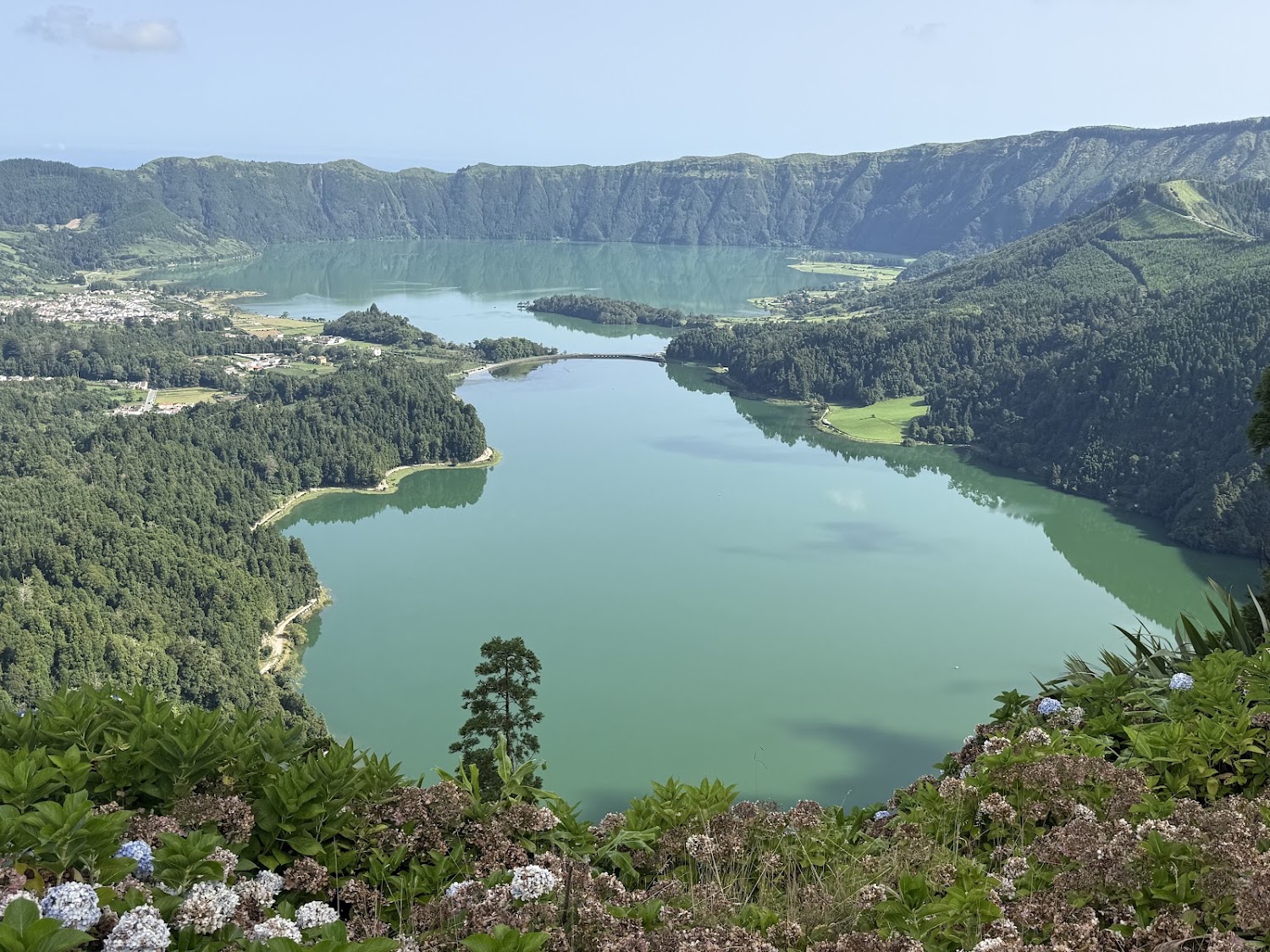
Our final island stop was São Miguel. We had a jam-packed itinerary: guided tours to Sete Cidades, Lagoa do Fogo, and Furnas, along with a dolphin and whale watching boat tour, and tea and pineapple plantation visits. Again, spectacular views around every corner, the juxtaposition of the black lava rock against the deep blue waters of the Atlantic was quite simply breathtaking. This island offered up two very unique adventures: bathing in an iron-enriched volcanic pool and swimming in the middle of a volcano. Both opportunities were amazing. I also was tricked into hiking up a 2,500-meter volcano — going up was actually easier than coming down.
This is just a taste of a 17-day incredible adventure rich with experiences, history, delicious food, and a unique island culture. The Azores are affordable, English is commonly spoken, it’s very safe, and the people are warm and inviting. Be warned however, there is a lot of walking, climbing, and there are no ADA guidelines.